


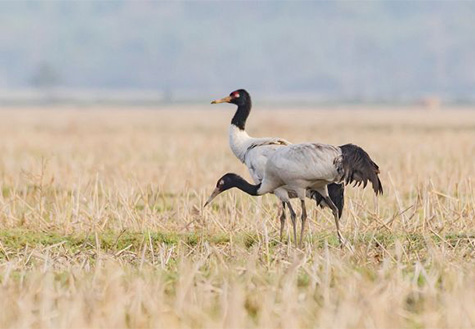
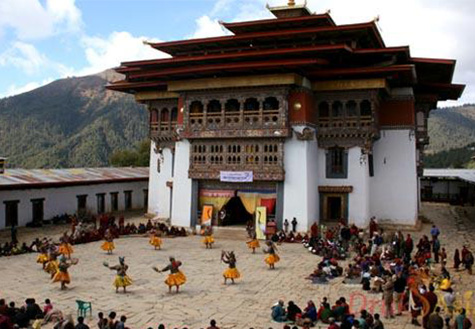
These majestic cranes seek refuge in paddies and wetlands throughout Bhutan, including the picturesque Phobjikha Valley. Perched high on the mountainside, overlooking this valley, is the Gangtey Goemba, one of Bhutan's oldest and largest Nyingmapa monasteries.
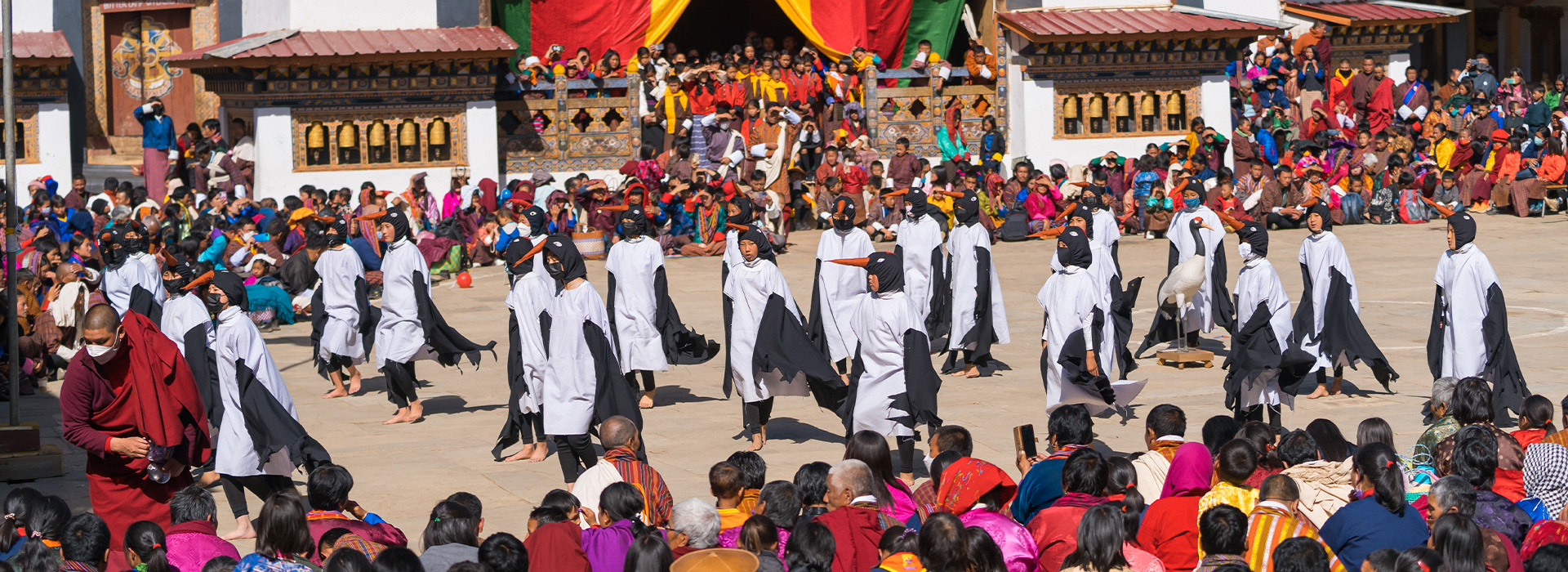
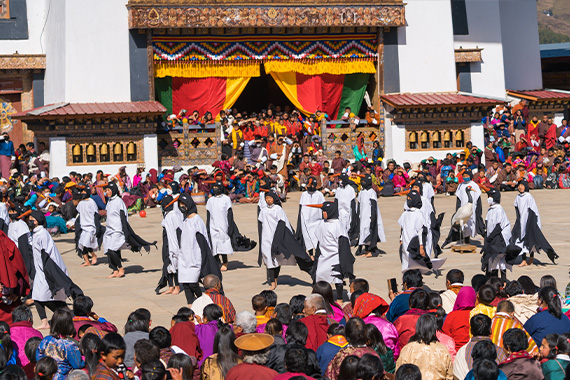
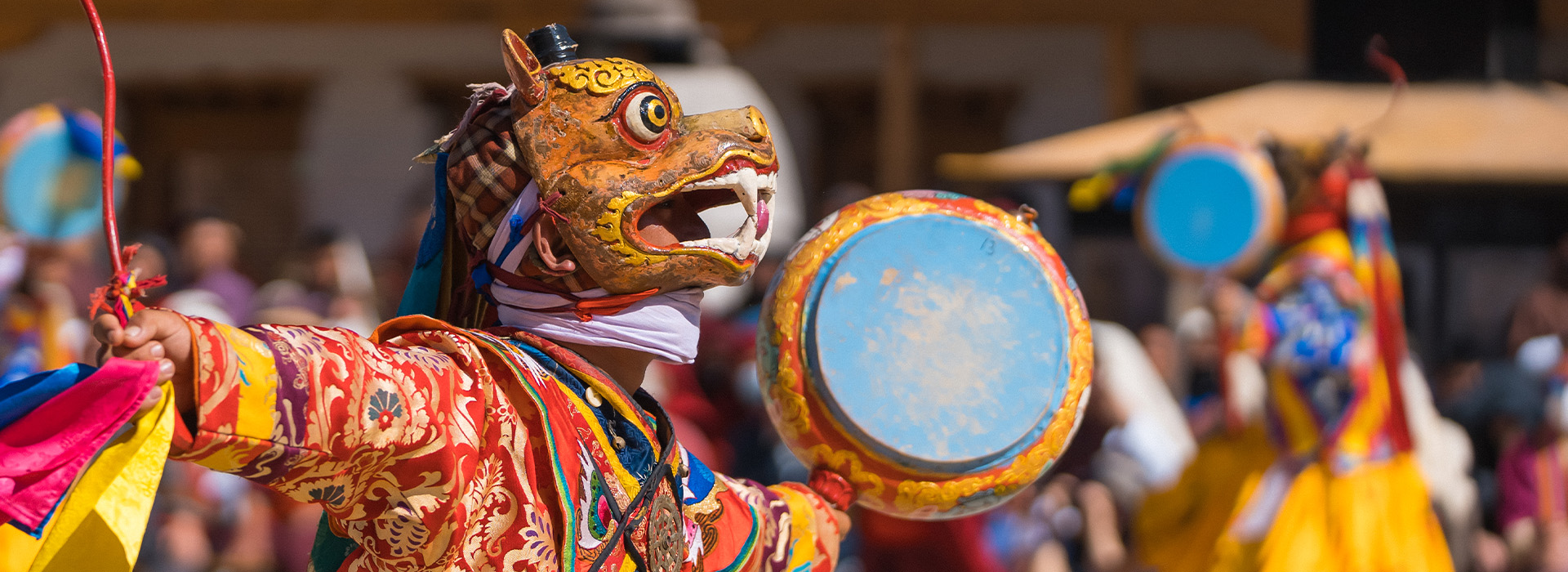
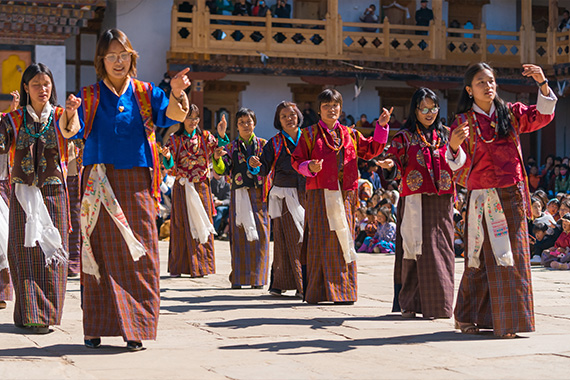
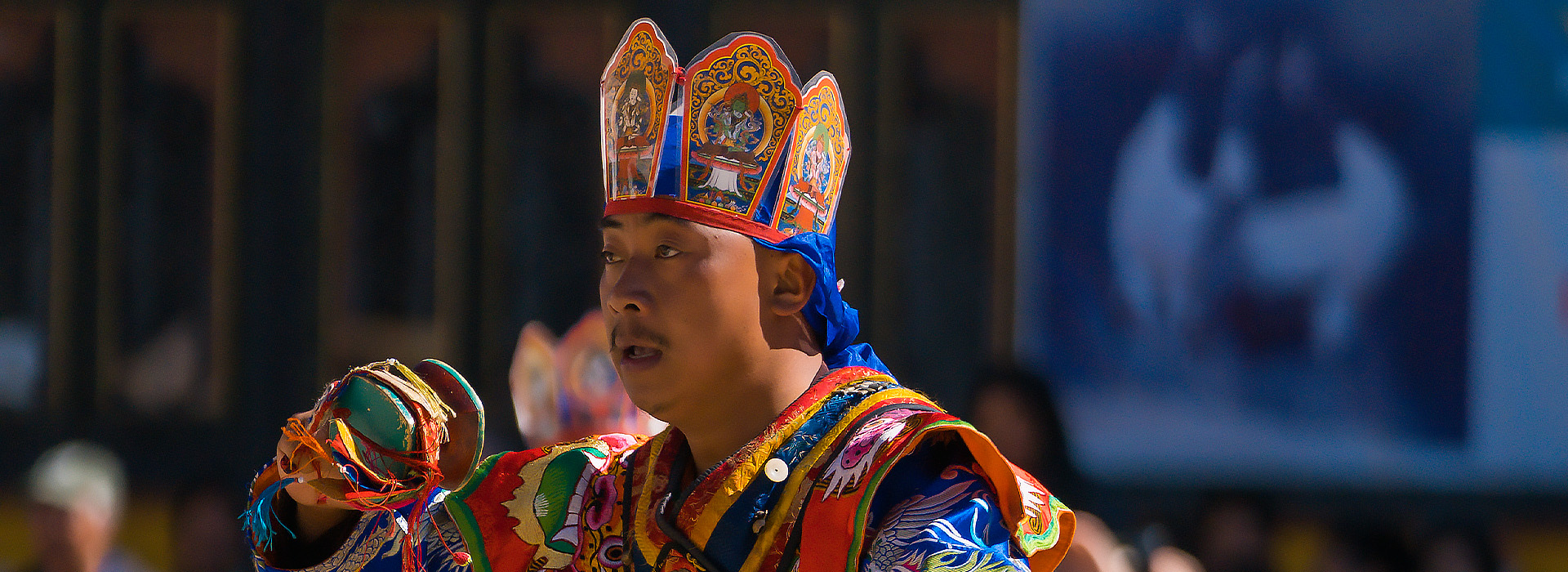
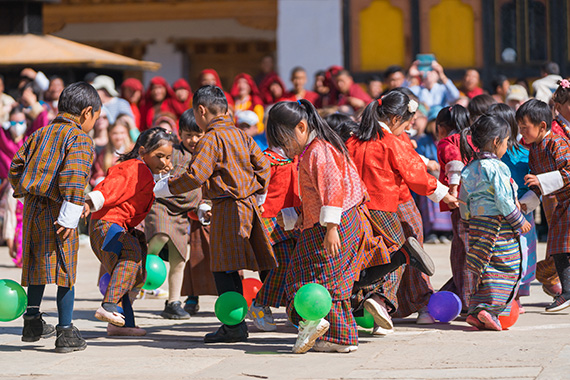
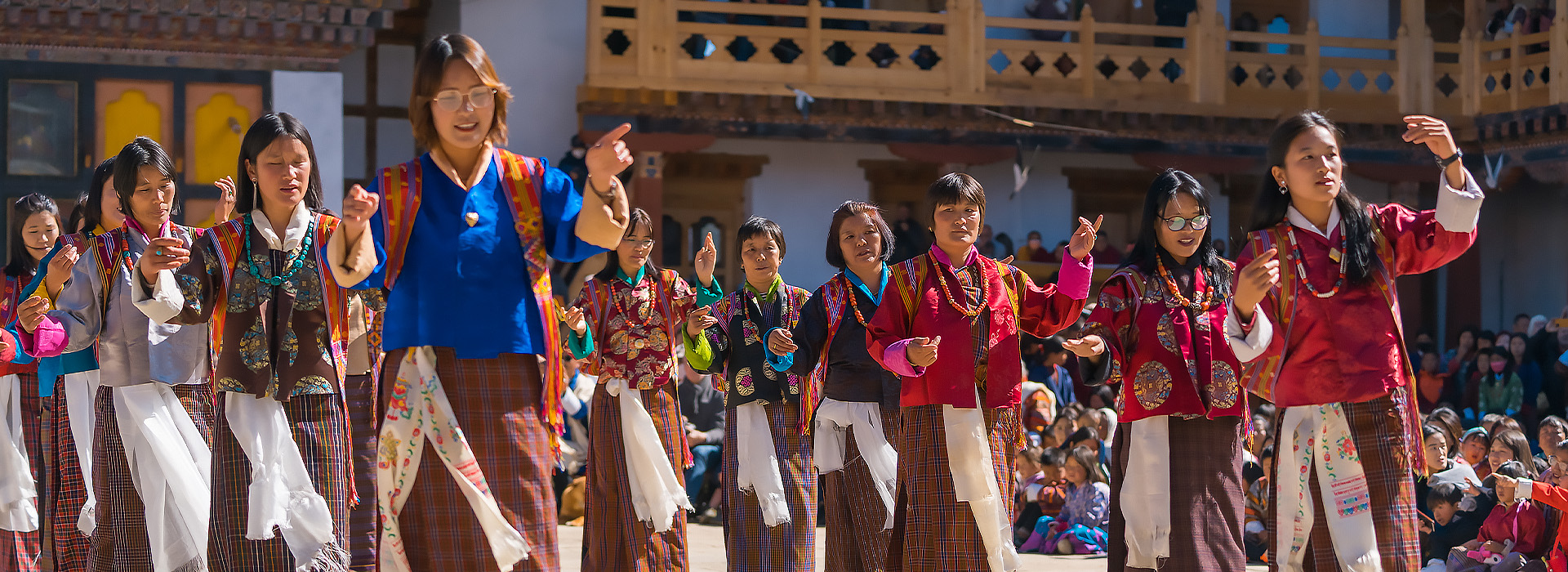
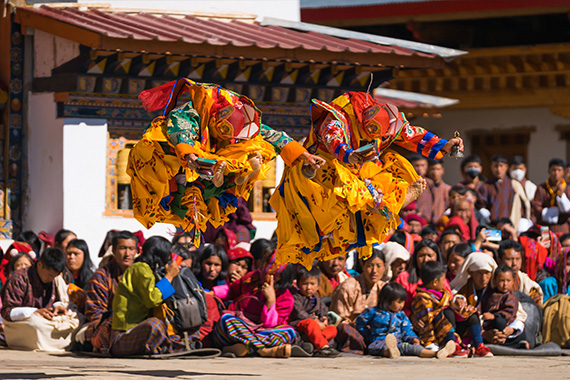
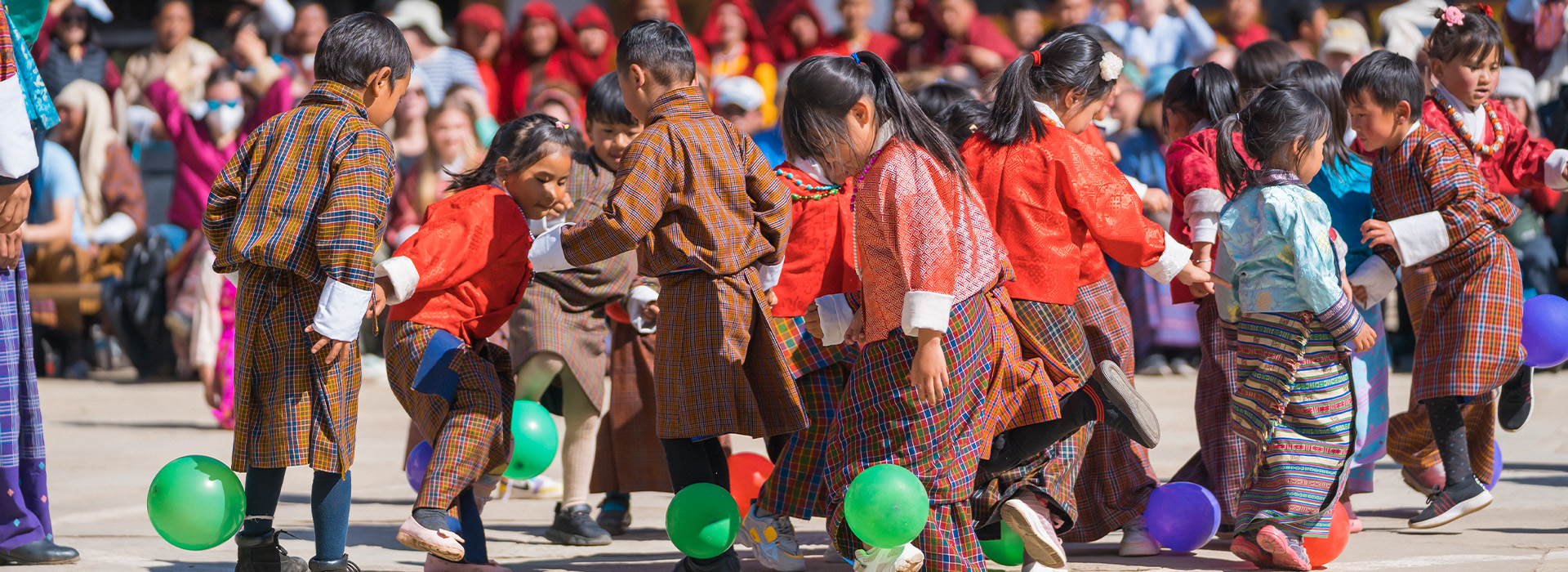
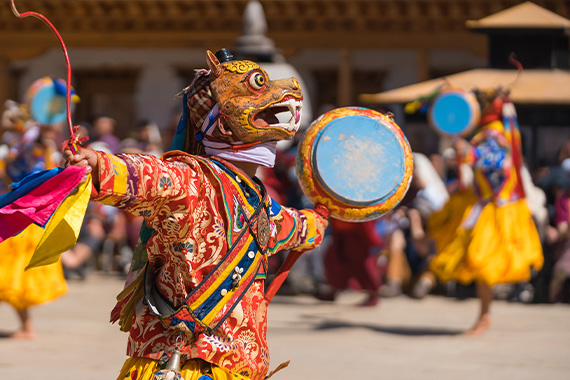
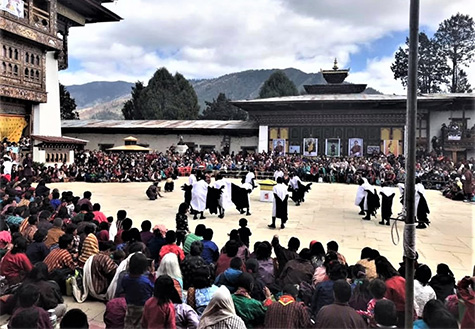
At the courtyard of Gangtey Goemba, this special one-day festival is observed with vibrant masked folk dances and songs, aiming to bring attention to the conservation concerns regarding the revered black-necked crane. Interestingly, participants even wear costumes resembling these magnificent birds as part of the festivities. The Black-necked Crane Festival has integrated into the local culture of Phobjikha Valley, drawing visitors from both the local community and around the world.
-
Day 1: Arrive Paro- Thimphu sightseeing
Arrive at Paro International Airport where you'll be met and greeted before embarking on a scenic drive to Thimphu. Along the journey, take a brief pause to admire Tamchog Lhakhang, a sacred temple constructed in the 15th century by the revered Thang Tong Gyalpo.
Later in the afternoon, explore the vibrant culture and heritage of Bhutan by visiting notable landmarks in Thimphu. Begin with a visit to the National Memorial Chorten, a spiritual monument dedicated to world peace. Then, immerse yourself in the bustling atmosphere of the Craft Bazaar, where you can discover traditional Bhutanese handicrafts and souvenirs. Finally, conclude your day with a visit to Tashichho Dzong, the majestic royal secretariat, showcasing intricate Bhutanese architecture and serving as an administrative center for the government.
-
Day 2: Thimphu sightseeing
Embark on a morning exploration starting with a visit to the awe-inspiring Tallest Statue of Sitting Buddha, towering at 51.5 meters, offering panoramic views of the surrounding landscape. Continue your spiritual journey with a stop at Changangkha Lhakhang, an ancient temple steeped in Bhutanese religious history.
Next, venture to the Takin Preserve Center, where you can observe Bhutan's unique national animal, the Takin, in its natural habitat. Capture breathtaking vistas from Sangaygang View Point before visiting Dupthop Lhakhang, one of Bhutan's rare surviving nunneries, exuding tranquility and spiritual essence.
-
Day 3: Thimphu- Punakha sightseeingIn the morning, drive to Punakha valley. On the way, visit to:
• Dochu La pass with its 108 stupas and views the beautiful Himalayan ranges in the north. • Chimi lhakhang built by lama Drukpa Kuenley in the year 1499. The temple is also called “the temple of fertility”.
In the afternoon, visit Punakha dzong built in 1637 by Shabdrung Ngawang Namgyal. It is also the venue for the famous Punakha festival which is held in the spring.
-
Day 4: Punakha-Wangduephodrang-Gangtey
In the morning, walk across the longest suspension bridge in Bhutan built across Pho chu river (160 m). Then drive to Gangtey. On the way, visit Wangdue Phodrang dzong built in 1638 by Shabdrung Ngawang Namgyal. While in Gangtey, visit Gangtey Gompa monastery founded in 1613 by Gyaltse Pema Thinley. Then visit the crane information centre and explore the Phobjikha valley.
-
Day 5: Gangtey- Witness the Black Necked Crane Festival
OAfter early breakfast, drive to witness the black necked crane festival in Bhutan 2024. In the evening, explore the beautiful Phobjikha valley, the roosting ground of the rare black-necked cranes in winter.
-
Day 6: Gangtey to Paro Sightseeing
In the morning, drive to Paro valley. We occasionally stop on the way to take pictures. In the afternoon, visit Ta dzong built in 1649 which houses the national museum of Bhutan. Then visit the Rinpung dzong built in 1646 by Shabdrung Ngawang Namgyal. The grand annual Paro tshechu festival is held here in the spring. In the evening, visit to a typical Bhutanese farm house.
-
Day 7: Paro- Hike to Tiger nest monastery
In the morning, drive to Satsam chorten and hike to the Tiger’s nest monastery (Paro Taktsang). In the afternoon, visit Drugyel dzong built in 1647 by the great Shabdrung Ngawang Namgyal. Then visit Kyichu lhakhang built in 659 A.D by the Tibetan king Srongtsen Gampo. He built 108 temples across the Himalayan region in one day and Kyichu is one of them. The other prominent one is Jambay lhakhang in Bumthang. The other two temples are in Haa valley where the annual Haa summer festival is held. Dinner and overnight stay in Hotel.
-
Day 7: Departure
After breakfast, drive to the Paro airport and farewell